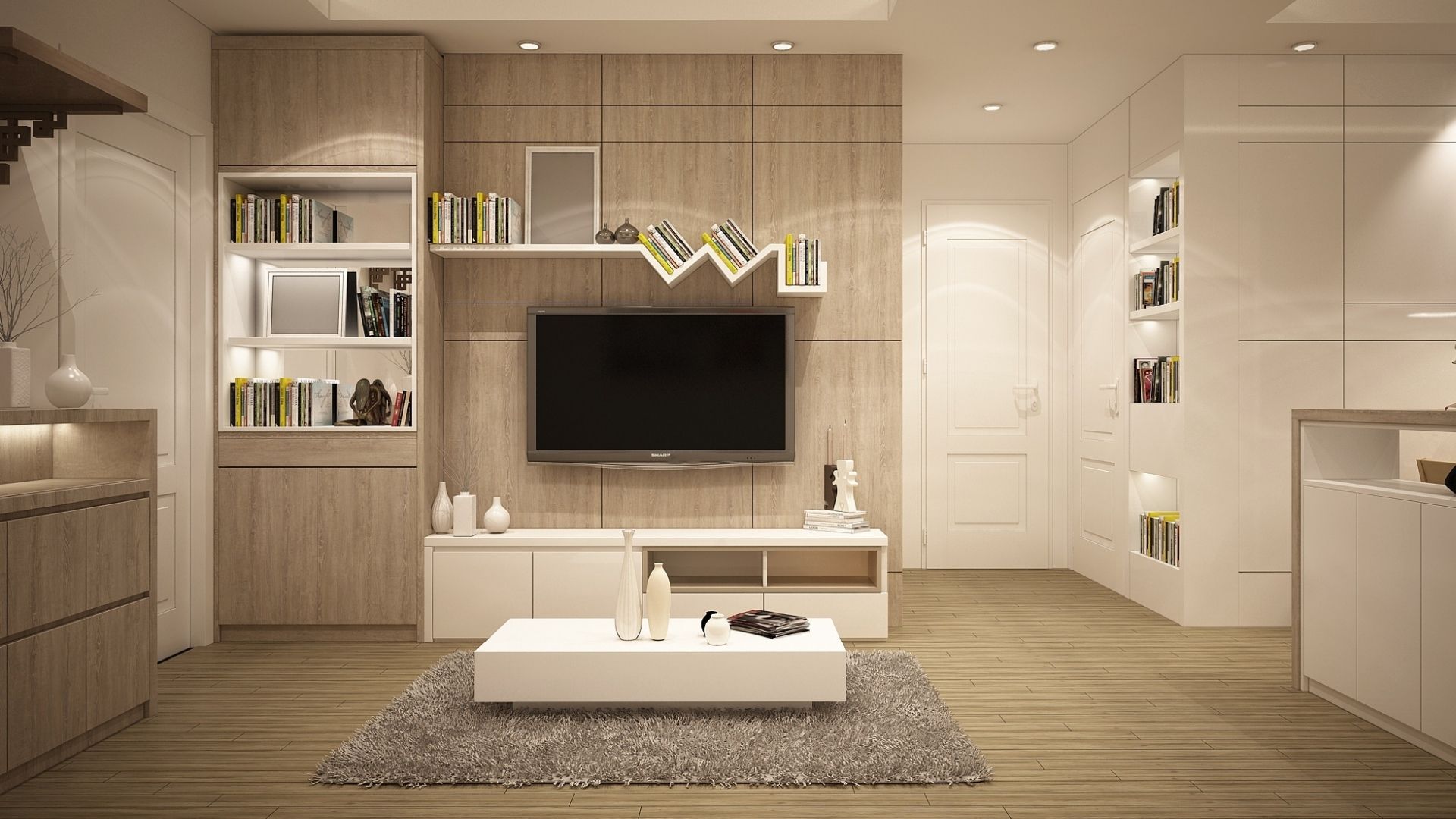
Choosing the right flooring can be harder than it looks. Beyond colour and appearance, there is cost, durability, maintenance, installation and how well it works with the rest of your home to consider. If you’re looking for Indian flooring ideas beyond the usual vitrified tiles or marble, the choices can quickly become overwhelming. Which flooring gives you the look you want without stretching your budget?
That’s where traditional Indian flooring offers plenty of possibilities. From the understated character of red oxide and Kota stone to the patterns of Athangudi tiles and the warm tones of Jaisalmer stone, there are options across styles and price points. We’ve curated 10 flooring ideas to help you compare them by cost, look, practicality and where they work best, making it easier to find the right floor for your home and budget.
What Are the Different Traditional Indian Flooring Options?
Traditional Indian flooring comes in a wide range of materials, finishes and price points. From the seamless, earthy look of red oxide to the handcrafted patterns of Athangudi tiles, the understated character of Kota stone and the golden warmth of Jaisalmer stone, there are plenty of options to suit different homes, budgets and design styles.
Here’s a quick look at the 10 flooring options covered in this guide:
| Flooring option | Approx. cost/sq ft* | Best for | Look & feel |
|---|---|---|---|
| Red oxide flooring | ₹80–₹180 | Living rooms, bedrooms, verandahs | Warm & minimal |
| Kota stone | ₹70–₹180 | High-traffic areas, large spaces | Natural & understated |
| Terracotta flooring | ₹80–₹180 | Courtyards, verandahs, rustic homes | Earthy & warm |
| Athangudi tiles | ₹150–₹200+ | Living spaces, foyers, feature floors | Colourful & handcrafted |
| Jaisalmer stone | ₹150–₹300+ | Premium interiors, large spaces | Golden & luxurious |
| Indian marble | ₹150–₹500+ | Living & dining areas | Elegant & timeless |
| Cement tiles | ₹100–₹250+ | Kitchens, bathrooms, entryways | Patterned & characterful |
| Sandstone | ₹80–₹200+ | Indoor & outdoor spaces | Earthy & textured |
| Terrazzo | ₹120–₹250+ | Contemporary Indian interiors | Speckled & versatile |
| Local natural stone | ₹60–₹200+ | Regional & climate-responsive homes | Organic & distinctive |
Approximate indicative ranges for India. Actual flooring costs can vary by city, material quality, thickness, finish, installation, transportation, wastage and labour. Where applicable, the final installed cost may be higher than the material price alone.
Exploring Traditional Indian Flooring Ideas
Traditional flooring can shape the mood of a space just as much as its walls, furniture or finishes. The choice of material can bring warmth, pattern, texture or a sense of simplicity, depending on the character you’re looking to create. It also changes how a space feels over time, making the flooring an important part of the overall design rather than just a practical surface.
From the earthy tones of oxide and terracotta to the distinctive patterns of handmade tiles and the natural beauty of stone, each material has its own character and possibilities. Let’s explore these flooring ideas, what makes each one special, where they work best and what to consider before choosing one for your home.
1. Red Oxide Flooring: A Warm, Minimal Classic

If you want flooring that feels distinctly Indian without being overly decorative, red oxide is a strong place to start. Its deep, earthy colour and smooth, almost seamless finish can add warmth and character to a space without competing with the furniture or architecture. Once common in Indian homes, red oxide flooring is now being reinterpreted in contemporary interiors for its understated, handcrafted quality.
How Much Does Red Oxide Flooring Cost?
Red oxide flooring is generally considered one of the more budget-friendly traditional flooring options. The cost can vary depending on the condition of the existing floor, the quality of materials, preparation, labour and finishing. As a broad guide, expect approximately ₹80–₹180 per sq ft, with specialised finishes or more complex installation potentially costing more.
Where Does Red Oxide Flooring Work Best?
Its warm, continuous surface works particularly well in:
- Living rooms and dining areas
- Bedrooms
- Verandahs and corridors
- Courtyards
- Homes with an earthy or minimalist design palette
It pairs especially well with natural materials such as wood, cane, lime plaster, exposed brick and stone.
Why Choose Red Oxide Flooring?
Warm and distinctive: The rich red tone immediately adds depth to a room.
Minimal: Unlike patterned tiles, it creates a relatively uninterrupted surface.
Budget-friendly: Compared with many premium natural stones and handcrafted flooring options, it can be a more accessible choice.
Versatile: Despite its traditional associations, red oxide can work equally well in rustic, modern, minimalist and contemporary Indian interiors.
Things to Consider
Red oxide flooring is highly dependent on good workmanship. The preparation of the base, application and finishing can all affect the final colour and surface quality. Variations in tone and minor imperfections can also occur, which may be part of its appeal but are worth considering if you want a perfectly uniform floor.
Design idea: Pair a red oxide floor with white or lime-washed walls, simple wooden furniture and natural textiles for a contemporary take on a traditional Indian interior.
In short: If you’re looking for an affordable flooring option with warmth, character and a strong connection to Indian interiors, red oxide is worth considering.
Kota Stone Flooring: Simple, Durable and Timeless

Kota stone is a great choice if you want a natural-looking floor that feels understated rather than ornamental. Quarried in Rajasthan, this fine-grained limestone is known for its earthy shades of green, blue-grey and brown, and its ability to work across both traditional and contemporary interiors. Its simple appearance makes it especially useful when you want the flooring to complement the architecture rather than dominate it.
How Much Does Kota Stone Flooring Cost?
Kota stone is generally one of the more budget-friendly natural stone flooring options. Depending on the quality, finish, thickness, transportation and installation, you can expect to spend approximately ₹70–₹180 per sq ft.
Where Does Kota Stone Flooring Work Best?
Its durability and understated appearance make it suitable for:
- Living rooms and dining areas
- Corridors and staircases
- Kitchens
- Verandahs and balconies
- Outdoor and high-traffic areas
It works particularly well with wood, lime plaster, exposed brick and neutral-toned interiors.
Why Choose Kota Stone Flooring?
Durable: A practical choice for spaces that see plenty of everyday use.
Natural: Its subtle variations give the floor an organic, grounded quality.
Versatile: It can work equally well in traditional, rustic and contemporary homes.
Budget-friendly: It offers the character of natural stone without the price tag of some premium stones.
Things to Consider
The finish can significantly change the way Kota stone looks. A honed or polished surface creates a more refined appearance, while a natural or rougher finish feels more rustic. The stone can also vary in colour and texture, so it’s worth looking at samples before making a final choice.
Design idea: Use Kota stone with warm wooden furniture and white or lime-finished walls for a simple, contemporary Indian look.
In short: If you want natural stone flooring that is durable, versatile and relatively affordable, Kota stone is one of the most practical traditional Indian flooring ideas to consider.
3. Terracotta Flooring: Warm, Earthy and Timeless

If you want a floor that brings a natural, lived-in feel to a space, terracotta is a beautiful choice. Made from fired clay, its characteristic reddish-brown tones and subtle variations give interiors a warm, earthy quality. It works especially well in homes that embrace natural materials and has long been associated with traditional Indian architecture, including courtyards and Chettinad-style homes.
How Much Does Terracotta Flooring Cost?
Terracotta floor tiles can cost around ₹50–₹150 per sq ft, while handmade or more customised options can go up to ₹150–₹300+ per sq ft. Installation, sealing and transportation can add to the final cost.
Where Does Terracotta Flooring Work Best?
Its warm, rustic character works particularly well in:
- Courtyards and verandahs
- Living and dining areas
- Farmhouses and weekend homes
- Entryways and patios
- Traditional or earthy interiors
It pairs naturally with lime plaster, exposed brick, wood, cane and greenery.
Why Choose Terracotta Flooring?
Warm and earthy: Its natural colour instantly adds warmth to a room.
Full of character: Handmade tiles can have subtle variations that make the floor feel unique.
Natural material: Made from clay, terracotta brings an organic quality to interiors.
Timeless: It can work in traditional homes as well as more relaxed contemporary spaces.
Things to Consider
Terracotta is naturally porous, so sealing is important, particularly in areas exposed to moisture or stains. It can also be more susceptible to chipping and variation than highly uniform modern tiles.
Design idea: Combine terracotta flooring with pale walls, timber furniture and plenty of greenery for a relaxed, earthy Indian interior.
In short: If you’re looking for a flooring option that feels natural, warm and full of character, terracotta is a great choice for bringing an earthy quality into your home.
Athangudi Tiles: Handcrafted Patterns with a Distinctive Character

If you want your flooring to become a feature in itself, Athangudi tiles are hard to overlook. Made in the Chettinad region of Tamil Nadu, these handcrafted tiles are known for their intricate patterns, rich colours and slightly varied finish. They can bring a strong sense of craft to a space while still working beautifully with contemporary furniture and simpler surroundings.
How Much Do Athangudi Tiles Cost?
Athangudi tiles generally sit in the mid-range to premium category of traditional Indian flooring. Expect approximately ₹100–₹250 per sq ft, depending on the pattern, size, finish, quantity and installation. More intricate or customised designs can cost more.
Where Do Athangudi Tiles Work Best?
Their decorative quality makes them particularly suited to:
- Living rooms and dining areas
- Entryways and foyers
- Verandahs
- Courtyards
- Kitchens and smaller feature areas
They work especially well with wood, cane, brass, lime plaster and neutral walls.
Why Choose Athangudi Tiles?
Handcrafted: Each tile carries the character of a traditional making process.
Decorative: Patterns and colours can add instant personality to a room.
Distinctive: They offer a look that’s difficult to replicate with mass-produced tiles.
Versatile: Use them across an entire room or as a feature within a more restrained floor.
Things to Consider
Athangudi tiles require careful installation and can benefit from proper sealing and maintenance. Their handcrafted nature also means that subtle variations in colour, pattern and finish are part of the material’s charm.
Design idea: If a full Athangudi floor feels too bold, use the tiles in an entrance, verandah or central section and pair them with a simpler flooring material elsewhere.
In short: If you want traditional Indian flooring with colour, pattern and craftsmanship, Athangudi tiles can turn an ordinary floor into a defining design element.
5. Jaisalmer Stone Flooring: A Golden Touch of Rajasthan

If you want a floor that brings warmth and a sense of luxury without relying on patterns, Jaisalmer stone is a beautiful choice. Quarried in Rajasthan, this distinctive yellow limestone is known for its warm golden tones and fine-grained appearance. It has long been part of the architectural character of Jaisalmer and continues to work beautifully in both traditional and contemporary spaces.
How Much Does Jaisalmer Stone Flooring Cost?
Jaisalmer stone can be relatively affordable for a natural stone, although the price varies considerably with thickness, finish, size and quality. Basic stone can start around ₹50–₹90 per sq ft, while polished or cut-to-size varieties can range from around ₹90–₹200 per sq ft before installation and other finishing costs.
Where Does Jaisalmer Stone Flooring Work Best?
Its warm colour and natural character work particularly well in:
- Living and dining areas
- Courtyards and verandahs
- Entryways
- Large open-plan spaces
- Traditional and contemporary Indian homes
It pairs beautifully with wood, lime plaster, neutral walls, brass and earthy textiles.
Why Choose Jaisalmer Stone Flooring?
Warm and luminous: Its golden colour can make spaces feel brighter and warmer.
Naturally distinctive: Subtle variations give each floor its own character.
Timeless: It works equally well with traditional architecture and contemporary interiors.
Versatile: It can be used for flooring as well as other architectural details.
Things to Consider
Jaisalmer stone is a natural limestone, so the finish and maintenance requirements matter. Polished surfaces may need more care in high-traffic areas, while sealing can be important in areas exposed to moisture or staining.
Design idea: Pair Jaisalmer stone with simple wooden furniture, white walls and muted textiles to let its natural golden tone become the visual warmth of the room.
In short: If you want natural stone flooring with a warm, luxurious character and a strong connection to Rajasthan, Jaisalmer stone is an elegant option.
6. Indian Marble Flooring: Elegant, Cool and Timeless

If you want a flooring material that instantly gives a home a refined, spacious feel, Indian marble is a classic choice. Available in a wide range of colours, patterns and finishes, Indian marble can suit everything from traditional homes to contemporary interiors. Varieties such as white, beige, green and pink marble offer plenty of scope to create a floor that feels distinctive without relying on decorative tiles.
How Much Does Indian Marble Flooring Cost?
Indian marble prices vary significantly by variety, quality, thickness and finish. As a broad 2026 guide, expect around ₹150–₹400 per sq ft for the material, with installation and polishing adding to the final cost.
Where Does Indian Marble Flooring Work Best?
Its polished, elegant appearance works particularly well in:
- Living rooms and dining areas
- Bedrooms
- Foyers and entrance spaces
- Pooja rooms
- Large open-plan interiors
It pairs beautifully with wood, brass, neutral walls, traditional furniture and contemporary minimalist interiors.
Why Choose Indian Marble Flooring?
Elegant: Natural veining and variations give marble a distinctive, premium appearance.
Cool underfoot: Marble naturally feels cool, which can be particularly appealing in India’s warmer climates.
Timeless: Unlike strongly patterned flooring, marble can adapt as your interiors change.
Variety: The wide range of colours and patterns makes it easier to find an option that suits your design and budget.
Things to Consider
Marble needs more care than many modern flooring materials. It can scratch, stain or become slippery when highly polished, and spills should be cleaned promptly. Proper installation, polishing and sealing can also make a significant difference to its appearance and longevity.
Design idea: Use a light Indian marble with subtle veining across a living room and pair it with warm wood furniture to balance the coolness of the stone.
In short: If you want a naturally elegant, versatile flooring option that can make a home feel brighter and more spacious, Indian marble remains a timeless choice.
7. Cement Tile Flooring: Bold Patterns with Old-World Charm

If you want to add pattern and personality to your floors, cement tiles are a versatile traditional choice. Known for their decorative motifs and rich colours, they can bring an old-world character to Indian interiors without making the entire space feel overly ornate. They work particularly well when used selectively, allowing the flooring to become a feature while the rest of the room stays relatively simple.
How Much Does Cement Tile Flooring Cost?
Cement tiles generally fall into the mid-range flooring category. You can expect approximately ₹100–₹250 per sq ft, depending on the design, size, finish, quality and installation. Custom patterns and handcrafted tiles can cost more.
Where Does Cement Tile Flooring Work Best?
Their decorative character makes them especially suitable for:
- Entryways and foyers
- Kitchens
- Bathrooms
- Living and dining areas
- Verandahs and smaller feature spaces
They pair well with wood, cane, brass, lime-finished walls and simple neutral furniture.
Why Choose Cement Tile Flooring?
Decorative: Patterns can instantly give a room more character.
Customisable: There are countless combinations of colours, motifs and layouts to choose from.
Distinctive: Handmade and traditional-looking designs can create a floor that feels personal rather than mass-produced.
Versatile: Use them across a room or as a border, central motif or feature section.
Things to Consider
Cement tiles are porous and generally need proper sealing to protect them from stains and moisture. They can also develop a patina over time, which some homeowners appreciate but may not suit those looking for a perfectly uniform floor. Installation should be done carefully so that the pattern aligns correctly.
Design idea: Use patterned cement tiles only in the entrance or kitchen floor and keep the surrounding walls and furniture understated to let the pattern stand out.
In short: If you want traditional flooring with colour, pattern and personality, cement tiles are a practical way to create a strong visual feature without redesigning the entire room.
8. Sandstone Flooring: Earthy, Textured and Naturally Indian

If you like flooring with a more earthy and textured character, sandstone is worth considering. Available in warm shades such as beige, pink, yellow and reddish brown, sandstone can give a home a grounded, natural feel. It has also been widely used across Indian architecture, making it a natural fit for homes inspired by traditional design.
How Much Does Sandstone Flooring Cost?
Sandstone is generally a relatively affordable natural stone. Depending on the variety, thickness, finish, size and source, expect approximately ₹80–₹200 per sq ft, with installation, transportation and finishing adding to the overall cost.
Where Does Sandstone Flooring Work Best?
Its natural texture and warm colours make it particularly suitable for:
- Verandahs and courtyards
- Patios and terraces
- Living and dining areas
- Entryways
- Farmhouses and traditional-style homes
It works beautifully with wood, exposed brick, lime plaster, cane furniture and greenery.
Why Choose Sandstone Flooring?
Earthy: Its natural colours bring warmth and an organic quality to interiors.
Textured: Different finishes can create anything from a rustic to a more refined appearance.
Versatile: It works across both indoor and outdoor spaces.
Naturally distinctive: Variations in colour and grain give each floor its own character.
Things to Consider
Sandstone is a porous natural stone, so sealing can be important, particularly in areas exposed to moisture and stains. Its texture can also vary considerably between varieties, so check samples before choosing. For outdoor applications, selecting an appropriate finish is especially important for everyday practicality.
Design idea: Use warm sandstone with carved wooden furniture, off-white walls and potted plants to create a relaxed Rajasthani-inspired interior.
In short: If you want warm, natural flooring with an earthy Indian character, sandstone offers a versatile option for both traditional and contemporary homes.
9. Terrazzo Flooring: Speckled, Durable and Easy to Personalise

If you want a traditional flooring material that can also feel distinctly contemporary, terrazzo offers a great balance of character and practicality. Made by embedding chips of materials such as marble, stone or glass in a cement-based surface, terrazzo has a distinctive speckled appearance. It was widely used in Indian homes and public buildings and is now being brought back into modern interiors in fresh colours and finishes.
How Much Does Terrazzo Flooring Cost?
Terrazzo flooring can vary quite a bit depending on whether you choose traditional cement terrazzo, pre-made tiles or a more customised finish. As a broad guide, expect approximately ₹120–₹250 per sq ft, with installation and polishing potentially increasing the final cost.
Where Does Terrazzo Flooring Work Best?
Its durable, versatile surface works particularly well in:
- Living and dining areas
- Kitchens
- Hallways and corridors
- Foyers and entrance spaces
- Contemporary Indian homes
It pairs well with wood, cane, painted furniture, brass accents and simple neutral walls.
Why Choose Terrazzo Flooring?
Durable: A well-made terrazzo floor can handle everyday use and high-traffic areas.
Distinctive: The combination of chips and colours gives the surface a unique, speckled character.
Versatile: It can work in both traditional-inspired and contemporary interiors.
Easy to personalise: Different aggregate sizes and colour combinations can create anything from a subtle to a more decorative floor.
Things to Consider
Terrazzo needs good installation and finishing to achieve a smooth, even surface. Cement-based terrazzo may also require sealing and periodic maintenance. Because the material can be customised, it’s worth considering the overall colour and aggregate combination carefully so the floor complements rather than overwhelms the room.
Design idea: Choose a muted terrazzo with small stone chips and pair it with dark wood furniture and off-white walls for a modern take on a classic Indian interior.
In short: If you want durable flooring with a distinctive speckled look that bridges traditional and contemporary design, terrazzo is a versatile choice.
10. Local Natural Stone Flooring: Authentic, Regional and Full of Character

If you want your flooring to feel closely connected to the place you live, local natural stone can be a beautiful and practical choice. India has a wide variety of regional stones, each with its own colour, texture and character. Choosing a stone that is locally available can also help create a home that feels naturally suited to its surroundings rather than following a generic flooring trend.
How Much Does Local Natural Stone Flooring Cost?
The cost depends heavily on the type of stone, thickness, finish, availability and distance from the source. As a broad guide, expect approximately ₹60–₹200 per sq ft, with premium varieties, specialised finishes, transportation and installation increasing the overall cost.
Where Does Local Natural Stone Flooring Work Best?
Depending on the stone and finish, it can work well in:
- Living and dining areas
- Verandahs and courtyards
- Entryways
- Kitchens and utility spaces
- Outdoor areas and pathways
It works particularly well with regional architecture, exposed materials, wood, lime plaster and locally crafted furniture.
Why Choose Local Natural Stone Flooring?
Authentic: Regional stone can give a home a strong sense of place and identity.
Naturally distinctive: Every stone has variations in colour, grain and texture.
Versatile: Different varieties and finishes can suit both traditional and contemporary homes.
Potentially cost-effective: Locally sourced stone can be more economical than transporting premium materials from far away.
Things to Consider
“Local natural stone” isn’t one specific material, so its performance depends on the stone you choose. Some varieties are more porous or prone to scratching than others. Before buying, check the stone’s suitability for your climate, intended space, maintenance requirements and preferred finish.
Design idea: Choose a stone commonly found in your region and combine it with local woodwork, handmade furniture and simple lime-finished walls to create an interior that feels rooted in its surroundings.
In short: If you want natural flooring that reflects your region and gives your home an authentic sense of place, locally available stone is an option worth exploring.
How to Choose the Right Traditional Flooring for Your Home
With so many materials, colours and finishes to choose from, the best flooring isn’t necessarily the most expensive or the most traditional. It should suit how you use the space, your local climate, maintenance expectations and overall design style.
Here are a few things to consider before making your final choice:
Consider Where the Flooring Will Be Used
A flooring material that works beautifully in a living room may not be the best choice for a bathroom or outdoor space. Think about foot traffic, moisture, sunlight and everyday wear before deciding.
Match the Flooring to Your Interior Style
Traditional flooring doesn’t have to mean a traditional-looking home. Red oxide can complement minimalist interiors, Kota stone works beautifully in contemporary spaces, while Athangudi tiles and marble inlay can become decorative features.
Think About Maintenance
Natural and handcrafted materials often need more care than modern factory-made tiles. Consider whether you’re comfortable with sealing, polishing, regular cleaning or natural variations developing over time.
Look Beyond the Material Price
The quoted price per sq ft isn’t always the final cost. Installation, surface preparation, transportation, wastage, polishing and sealing can all affect your total flooring budget.
Choose Character Over Perfection
One of the biggest attractions of traditional Indian flooring is its individuality. Variations in colour, texture and finish can be part of the charm, so don’t necessarily look for the perfectly uniform appearance of mass-produced flooring.
Get a sample first
Colours and textures can look very different on a screen. Where possible, get a physical sample and see how it looks in your home’s natural light before committing to the flooring.
Traditional Indian Flooring Ideas: Which One Is Right for You?
Choosing between traditional flooring options ultimately comes down to what matters most in your home. Some materials stand out for their affordability and practicality, while others are chosen for their craftsmanship, natural beauty or ability to become a design feature.
If you’re working with a smaller budget, red oxide, Kota stone and standard terracotta can offer plenty of character without the cost of premium materials. For a more decorative floor, Athangudi tiles and cement tiles bring colour and pattern, while Jaisalmer stone and Indian marble offer a more polished, elegant feel. Sandstone, terrazzo and locally available natural stone offer their own balance of appearance, practicality and cost, depending on the variety and finish you choose.
Rather than choosing based on appearance alone, consider where the floor will be used, how much maintenance you’re comfortable with, your local climate and the total installed cost. A beautiful floor is one that continues to work well for your home long after installation.
Traditional Indian Flooring at a Glance
| Flooring option | Budget | Maintenance | Best if you’re looking for | Common Use |
|---|---|---|---|---|
| Red oxide | Low | Low–Medium | An affordable, warm and minimalist floor | Bedrooms, living rooms, verandahs |
| Kota stone | Low | Low | Durable natural stone at a reasonable cost | Living areas, corridors, courtyards |
| Terracotta | Low–Medium | Medium | An earthy, rustic floor with natural character | Courtyards, verandahs, patios |
| Athangudi tiles | Medium–High | Medium | Colour, pattern and handcrafted character | Living rooms, foyers, verandahs |
| Jaisalmer stone | Medium | Medium | Warm golden tones and natural elegance | Living rooms, courtyards, entryways |
| Indian marble | Medium–High | Medium–High | A refined, timeless and elegant floor | Living rooms, dining areas, foyers |
| Cement tiles | Medium | Medium | Decorative patterns and a distinctive floor | Kitchens, entryways, bathrooms |
| Sandstone | Low–Medium | Medium | Warm, textured flooring with an earthy feel | Verandahs, courtyards, patios |
| Terrazzo | Medium | Low–Medium | A durable floor with a contemporary, speckled look | Living areas, kitchens, foyers |
| Local natural stone | Low–Medium | Varies | A floor connected to its regional character | Living areas, courtyards, verandahs |
Final Thoughts
Traditional Indian flooring offers a beautiful balance of character, craftsmanship and practicality. From the earthy warmth of red oxide and terracotta to the understated appeal of Kota stone and the intricate patterns of Athangudi tiles, each material brings something different to a home.
The right choice ultimately depends on your budget, space, lifestyle and design preferences. Whether you’re renovating a traditional home or bringing an Indian touch to a contemporary space, these flooring options can add depth and personality while creating a floor that feels truly your own.
Disclaimer: Images are sourced from Pinterest and used solely for visual reference and inspiration. All rights remain with the respective original creators and copyright holders.
Frequently Asked Questions About Traditional Indian Flooring
Which traditional Indian flooring option is the most affordable?
Red oxide and Kota stone are generally among the more affordable traditional Indian flooring options. Standard terracotta can also work well for a tighter budget. However, the final cost depends on more than the material itself, installation, surface preparation, transportation and finishing can all affect what you actually pay.
What is a good Indian flooring choice for a hot climate?
Kota stone and Indian marble are good choices if you want a floor that feels cool underfoot. Natural stone has long been used in Indian homes, particularly in warmer regions, because of this quality. Your local climate, ventilation and the amount of direct sunlight the room receives should still influence your decision.
Which traditional flooring is easiest to maintain?
If low maintenance is a priority, Kota stone is one of the more practical traditional flooring choices. It is durable and suitable for areas that see plenty of everyday use. Red oxide can also be relatively easy to maintain once properly finished, although the quality of installation has a significant effect on its long-term appearance.
Can traditional Indian flooring work in a modern home?
Absolutely. Traditional Indian flooring doesn’t have to make a home look old-fashioned. Red oxide can work beautifully with minimalist interiors, Kota stone can complement contemporary furniture, and patterned Athangudi or cement tiles can add character to an otherwise simple space.
Which traditional Indian flooring is best for courtyards and verandahs?
Kota stone, sandstone and terracotta are all good options to consider. Kota stone offers a simple and durable surface, sandstone brings texture and earthy tones, while terracotta creates a warmer, more rustic feel. For outdoor areas, pay particular attention to the finish and its suitability for moisture and foot traffic.
Is traditional Indian flooring more expensive than regular tiles?
Not necessarily. Red oxide, Kota stone and standard terracotta can be quite cost-effective, while handcrafted Athangudi tiles and decorative marble work can be considerably more expensive. It’s best to compare the complete installed cost rather than just the material price.
Do traditional Indian floors need sealing or special maintenance?
Some do, while others require relatively little upkeep. Terracotta, cement tiles, sandstone and certain natural stones are porous and may benefit from sealing. The exact requirement depends on the material, finish and location, so check the recommendations for the specific flooring you choose.
Can I combine different traditional flooring materials in one home?
Yes, and combining traditional Indian flooring materials can make a home feel more considered and distinctive. For example, you could use Kota stone in common areas, terracotta in a courtyard and Athangudi or cement tiles in an entrance or feature area. Keep the colours and finishes complementary so the transitions feel intentional.