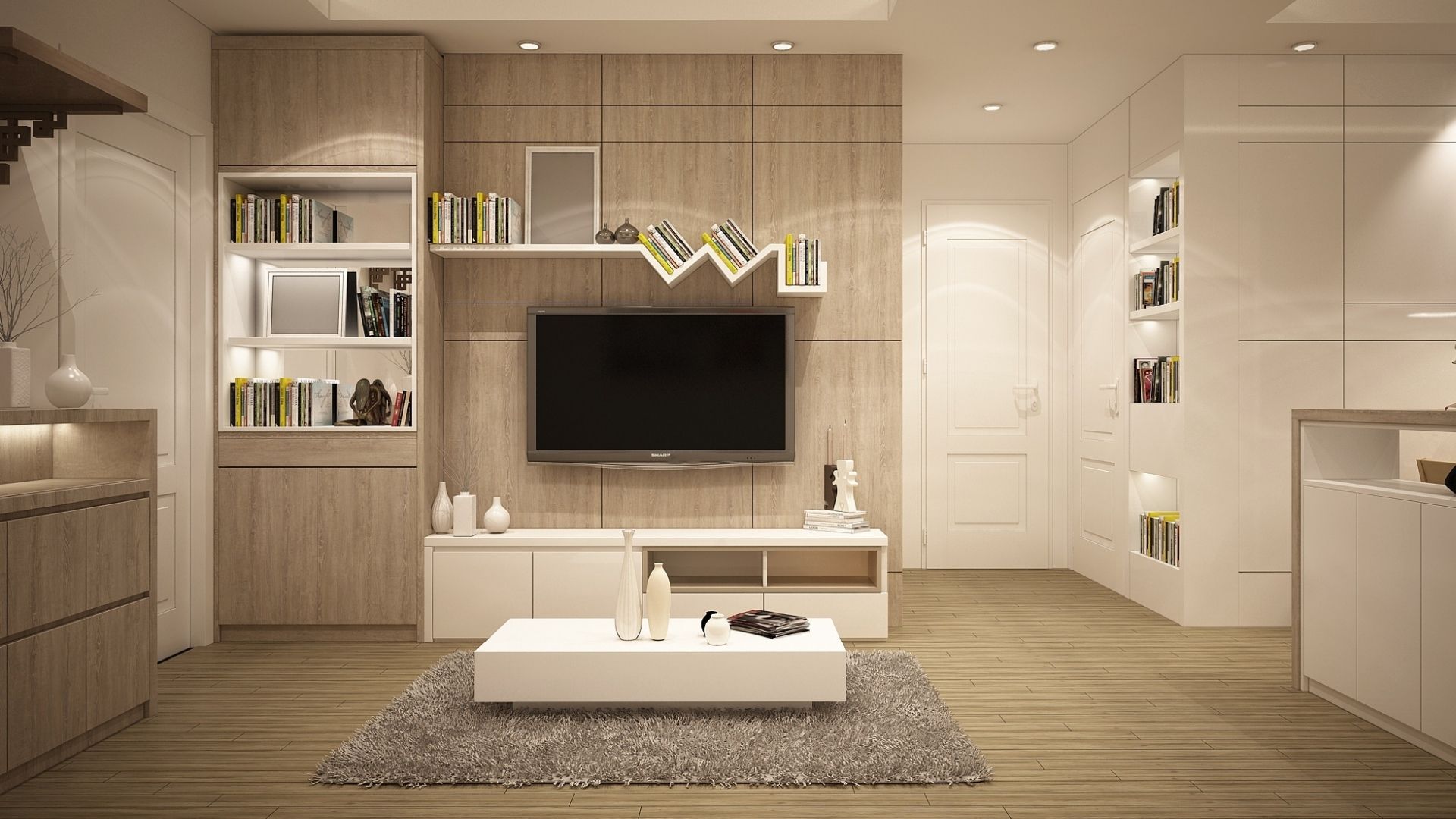
Bookshelf designs do far more than just store your reading list; they anchor the personality of a room and turn blank walls into warm, lived-in spaces. Whether you are working with a cozy apartment niche that calls for sleek floating ledges or designing an expansive living room around rich, solid wood cabinetry, the right setup strikes a natural balance between utility and quiet charm.
Finding the right fit comes down to how your space actually breathes day to day. Here are creative, practical concepts to help you display your favorite volumes, art pieces, and keepsakes with effortless style.
What to Check Before Choosing Bookshelf Designs

Good bookshelf designs start with a few checks. Run through this list before you pick a layout.
Space: Measure the wall width and the ceiling height. Note the floor space in front of the unit and leave about 90 cm of walking room.
Depth: A depth of 25 to 30 cm suits most paperbacks and hardcovers. Art books and albums need 35 cm. A hallway book rack design can shrink to 15 or 20 cm, and a wall bookshelf design can shrink further.
Weight: One metre of books can weigh around 20 kg. Solid wood and 18 mm plywood both carry this load when the span stays under 80 cm.
Open or closed storage: Open units show every spine and keep the room light, which suits a wall bookshelf design in a small flat. Closed units hide clutter and protect books from dust. Mixed units combine both and count among the most popular book shelves designs in Indian homes. A bookshelf modern design usually mixes open cubes with closed doors, while a traditional wooden bookshelf design leans on glass fronts and carved panels.
Purpose: Reading shelves need easy access. Display shelves need light and open space. Match your bookshelf designs to the way you use them.
Climate: Coastal cities such as Mumbai and Chennai bring humidity, so choose treated wood and keep the shelf a few centimetres from damp walls.
Termites: Ask for anti-termite treatment on plywood and solid wood.
Wall type: Wall-mounted units need a solid fixing surface. Locate the brick or the stud before drilling.
52 Bookshelf Designs for Every Room
1. Floor-to-Ceiling Wooden Bookshelf Designs

A floor-to-ceiling wooden bookshelf design turns one full wall into a library. Sheesham and teak give a warm grain, and a matte PU finish keeps the surface easy to wipe. Divide the height into zones. Place heavy hardcovers on the lower shelves. Keep everyday reads at eye level. Reserve the top shelves for lighter decor. This layout offers the highest storage per square foot among all bookshelf designs. Homes with large collections choose these bookshelf designs first, since one wall replaces several freestanding units. A wall bookshelf design of this scale also anchors a large living room.
Best for: living rooms and studies
Material: solid sheesham or teak
Tip: plan a 30 cm depth so large books sit comfortably
2. Window Seat With Built-In Bookshelf Designs

Frame a window with shelves on both sides and add a cushioned seat in the centre. This design creates a reading nook and stores books in one compact zone. Use plywood with a laminate finish for the shelves and add a storage box under the seat for throws. Fix LED strip lights inside the side units for evening reading. The layout makes bookshelf designs feel like part of the architecture. Among modern bookshelf designs, this one adds seating and storage together.
Best for: bedrooms and living rooms with deep window sills
Material: plywood with laminate
Tip: set the seat height at 45 cm for comfort
3. Floating Bookshelf Designs for Small Walls

Floating shelves design hides the brackets and leave books looking suspended on the wall. Use boards 20 cm deep in solid wood or 25 mm plywood with a concealed steel rod. Install two or three rows with 30 cm gaps and align the ends for a neat edge. This wall bookshelf design frees the floor completely, so it suits compact flats and narrow bedrooms. Check the wall type first, because hollow blocks need heavy-duty anchors. Pair a floating shelves design with a wooden bookshelf design on the opposite wall for a balanced room. Book shelves designs in floating form suit both books and decor.
Best for: small flats and rented homes
Material: solid wood or plywood
Tip: fix the rod into brick or concrete for full strength
4. Zig Zag Bookshelf Designs

A zig zag bookshelf stacks angled compartments in a lightning bolt pattern. Each box holds a few books, and the diagonals add movement to a plain wall. Choose plywood with a veneer finish or painted MDF for a bold look. Mount each module on a rail so the weight spreads evenly. This is one of the most photographed bookshelf modern design choices, and it works as a feature wall in a living room or a studio. Designers treat this bookshelf modern design as wall art that also stores books. As a zig zag bookshelf, the layout also suits a study wall.
Best for: feature walls
Material: veneer plywood or MDF
Tip: keep the surrounding wall light so the shape stands out
5. Corner Decorative Bookshelf Designs

A corner decorative shelf turns a dead corner into a display zone. Triangular or L-shaped tiers fit snugly and hold small books and photo frames. A trailing plant on the top tier adds life. Wood and metal versions both work well. Choose tiers 20 to 25 cm deep and space them 25 cm apart. Anchor the unit at two points on the wall for stability. This is a smart pick for compact Indian homes where every corner counts. Use this corner decorative shelf beside a wall bookshelf design to link two walls visually.
Best for: living room and bedroom corners
Material: mango wood or powder-coated steel
Tip: pair it with a reading chair
6. Ladder Bookshelf Designs

A ladder bookshelf leans against the wall in an A-frame shape. The shelves grow narrower toward the top, which keeps the base stable and the profile slim. Solid mango wood and powder-coated steel are common materials. Most ladder units lean freely against the wall, which suits rented homes. Fill the wide lower shelves with large books and the narrow upper shelves with small decor. This book rack design fits bedrooms and balconies. Among affordable bookshelf designs, the ladder style ships flat and assembles quickly.
Best for: rentals and bedrooms
Material: mango wood or steel
Tip: add a rubber pad under each foot to protect the floor
7. Cube Grid Bookshelf Designs


A cube grid offers equal square compartments in sizes from 2 by 2 to 4 by 4. Each cube holds about 20 books, and some cells can carry fabric bins or baskets. Engineered wood keeps the price low. Stack the grid high for a bookshelf modern design that suits student rooms and studios. Add a wooden top and the unit works as a display table for a plant or a lamp. Among student-friendly bookshelf designs, the cube grid is the easiest to reconfigure. Book rack design fans favour the cube grid for its low cost.
Best for: student rooms and studios
Material: engineered wood
Tip: fix tall grids to the wall with two safety straps
8. Asymmetric Modular Bookshelf Designs

Asymmetric units mix open cubes and closed doors in different widths within one frame. The uneven pattern creates visual interest, and the closed boxes hide clutter. Choose two finishes, such as light oak and matte white, and repeat them across the unit. A modular wooden bookshelf design like this adjusts as your collection grows. Living rooms and home offices both benefit from the flexible layout. Modular bookshelf designs like this one let you add a module each year. A bookshelf modern design like this suits open-plan homes.
Best for: living rooms and home offices
Material: laminate or veneer on plywood
Tip: keep the door boxes near eye level for easy access
9. Bookshelf Designs With Glass Doors

Glass doors protect books from dust and humidity while the spines stay visible. A wooden bookshelf design with glass fronts suits homes near busy roads and coastal cities. Framed glass panels on solid wood look classic, and slim aluminium frames look modern. Add a lock on one door to store valuable editions. Use tempered glass of 5 mm or thicker for safety. This option works for home libraries and formal living rooms. Homes in dusty cities favour these bookshelf designs for long-term book care. A wooden bookshelf design with glass fronts also adds a premium look.
Best for: home libraries and dusty locations
Material: solid wood with tempered glass
Tip: choose soft-close hinges for a quiet finish
10. Bookshelf Designs With Cabinets Below

Open shelves above and closed cabinets below give display and storage in one unit. The base cabinets hold files and board games, while the upper shelves show the best books. Set the cabinet height at 60 to 80 cm to keep the upper shelves within reach. Plywood with laminate suits this design and lasts for years. It fits study rooms and children’s rooms, and it ranks among the most practical book shelves designs. The mix of open and closed storage makes these book shelves designs the most versatile option in this list.
Best for: study rooms and family rooms
Material: plywood with laminate
Tip: label the cabinet drawers for quick retrieval
11. TV Unit With Bookshelf

Combine a TV panel with side shelves to build one wall unit. Decorative shelves living room layouts benefit from this pairing because the shelves frame the screen and soften the black rectangle. Use a wooden back panel behind the TV and add LED strips on the shelves. Cable management holes keep wires hidden. Keep books on the side towers and place decor near the screen. The unit saves a full wall in most Indian living rooms. A wall bookshelf design on either side of the TV also balances a long living room wall. Decorative shelves living room plans often begin with this wall.
Best for: living rooms
Material: plywood with veneer
Tip: leave 5 cm of ventilation space around the TV
12. Bookshelf Designs Behind the Sofa

A low shelf behind the sofa turns a floating sofa into a zoned space. Choose a height of 75 to 90 cm so that seated guests can see over it. A 30 cm depth is enough. Solid wood or veneer looks refined, and the shelf top works as a console for lamps and a tray. This wooden bookshelf design suits open-plan flats where the living and dining areas share space. This book rack design doubles as a console, so the living room gains storage and a display surface.
Best for: open-plan flats
Material: solid wood or veneer
Tip: match the shelf length to the sofa width
13. Room Divider Bookshelf Designs

An open-back bookshelf separates two zones and lets light pass through. Books face both sides, so the unit works as a display on each. Use a heavy base or fix the unit to the floor and ceiling for stability. Wood with black metal frames gives a crisp look. This design divides a study from a living room or a bedroom from a dressing area. Open bookshelf designs like this divider keep the room bright while separating zones. A book rack design with open backs works best as a divider.
Best for: studio flats and large rooms
Material: wood with metal frame
Tip: keep the shelves 30 cm deep for balance
14. Staircase Bookshelf Designs

The wall beside a staircase and the space under the steps offer prime storage. Build stepped shelves that follow the stair angle, or add drawers inside the risers. Plywood with a laminate finish handles the custom cuts. This idea suits duplexes and independent houses. A small lamp at the landing turns the corner into a quiet reading spot. Few bookshelf designs use dead space as well as this staircase idea.
Best for: duplexes and villas
Material: plywood with laminate
Tip: measure each step before cutting the shelves
15. Bedside Bookshelf Niche

A recessed niche beside the bed holds a few books within arm’s reach. Ask the mason to leave a 15 cm deep cavity in a brick wall during construction, or frame a niche in plywood during a renovation. Line the inside with a contrasting paint or a wallpaper strip. Add a warm LED strip. The niche keeps the floor open and adds a designer touch to a plain bedroom wall. Among bedroom bookshelf designs, the niche keeps the floor clear and the wall interesting.
Best for: bedrooms
Material: brick niche with a wooden shelf
Tip: plan the niche before plastering
16. Headboard Bookshelf Designs

A headboard with shelves combines a sleeping zone and a reading zone. Choose a shallow depth of 15 cm so the shelves sit comfortably behind pillows. Keep light items on the top shelf for safety. Solid wood headboards with built-in shelves suit guest rooms and teenage rooms. Fix the unit to the wall or the bed frame securely. A wooden bookshelf design in a headboard format gives a bed a strong focal point. Book shelves designs in a headboard style save a bedside table.
Best for: guest rooms and teenage rooms
Material: solid wood or plywood
Tip: add a small ledge for a phone and a glass of water
17. Jali Detail Bookshelf Designs

A bookshelf with jali panels brings Indian craft into a modern interior. Carved or CNC-cut jali doors cover part of the unit and show a pattern over the books. Teak and sheesham suit hand carving, while MDF suits CNC patterns at a lower price. Paint the jali in a rich colour such as deep green to make it a feature. This wooden bookshelf design suits living rooms and prayer corners. Designer book shelves with jali panels stand out in showrooms and homes alike. A wall bookshelf design with jali panels also works as a room feature.
Best for: traditional and fusion interiors
Material: teak or MDF
Tip: back the jali with a fabric panel to keep the pattern visible
18. Tree Shaped Bookshelf

Tree-shaped shelves use branch-like arms to hold books at different heights. Kids love the forest theme and the low reach points. Plywood cut with CNC gives a precise shape, and a coat of child-safe paint adds colour. This design suits children’s rooms and school libraries. Anchor the trunk to the wall to keep the unit safe. Kids’ bookshelf designs like this one turn tidy-up time into a game.
Best for: children’s rooms
Material: plywood with non-toxic paint
Tip: round every edge with a router
19. Rotating Book Carousel

A rotating book rack spins on a central pole and displays books on all sides. The design occupies about 50 cm of floor space and holds dozens of books. Wood and metal versions suit study corners and small libraries. Fix a lockable caster base for smooth movement. A carousel works well for children’s picture books because covers face outward. This book rack design saves space in small rooms. Among small room bookshelf designs, the carousel offers the highest display value.
Best for: small rooms and kids’ corners
Material: wood or steel
Tip: keep the heaviest books near the base
20. Industrial Pipe and Wood Shelf

Steel pipes and thick wooden planks create a rugged loft look. Black powder-coated pipes fix into the wall and the ceiling or into a base plate. Use 30 mm thick reclaimed wood or engineered planks for the shelves. Space the shelves 30 cm apart. The design carries heavy loads and suits studios and home offices. Balance the hard materials with plants and warm bulbs. Industrial bookshelf designs pair well with exposed brick and concrete finishes. This bookshelf modern design mixes raw and warm materials.
Best for: lofts and offices
Material: steel pipe with wood planks
Tip: seal the wood with a matte varnish
21. Pallet or Crate Bookshelf

Reclaimed wooden crates stack into a quick rustic bookshelf. Sand the crates and seal them with a clear varnish. Then screw them together. Arrange them in a grid or in a staggered pattern. The cost stays low, which makes this a favourite DIY project for students. Line the base of each crate with felt to protect the books. Budget bookshelf designs gain character when reclaimed wood is used.
Best for: DIY projects and budget rooms
Material: reclaimed wood
Tip: sand every surface to prevent splinters
22. Rope Shelf

Rope suspended shelves hang from the ceiling or the wall and bring a relaxed boho mood. Thick cotton or jute rope passes through holes drilled into wooden boards, with knots below each board to hold it. Limit the load to light books and decor. Balconies and kids’ rooms suit this design. Fix the ceiling hooks into a concrete slab to keep the shelf secure. Boho bookshelf designs like this rope idea bring softness to hard surfaces. A corner decorative shelf in rope and wood suits a balcony corner.
Best for: balconies and casual spaces
Material: wood board with jute rope
Tip: test the load with a few books first
23. Rolling Ladder Library Wall

A sliding ladder on a rail gives access to high shelves and adds drama. Brass or black metal rails suit warm wood shelving. Plan a ceiling height of at least 9 feet to make the ladder useful. Homes with double-height living rooms benefit the most. Keep older volumes on the top rows. This bookshelf modern design adds a classic library feel to a contemporary home. A rolling ladder is a classic feature of wooden bookshelf design projects in large homes.
Best for: double-height rooms
Material: solid wood with a metal rail
Tip: buy the rail hardware before finalising the shelf height
24. Wall Niche Bookshelf

Indian brick walls are thick, and a niche cut into the wall stores books while keeping the floor free. Ask the mason to plan the niche before plastering and reinforce the edges with a plywood frame. Paint the inside a shade darker than the wall or fit a mirror back for depth. Add a wooden shelf board every 30 cm. Niches suit hallways and living rooms and give a built-in look at a low cost. This wall bookshelf design works best in load-bearing brick walls after a structural check. A wall bookshelf design cut into the wall keeps the room walkable and the books close. Book shelves designs in a niche stay dust-free when a glass front is fitted.
Best for: hallways and living rooms
Material: brick niche with wooden boards
Tip: confirm the wall type with a civil engineer
25. Front Facing Kids Book Rack

Children choose books by the cover, so a front-facing rack helps. Shallow ledges of 8 to 10 cm show the covers and hold the books upright. Wood with rounded corners suits toddlers and school children. Place the rack at a height of 60 to 90 cm. The design encourages reading and makes tidy-up time simple. Add a soft rug below for a cosy corner. A kids’ book rack design like this one grows with the child when the shelves are adjustable.
Best for: nurseries and kids’ rooms
Material: plywood with rounded edges
Tip: rotate the displayed books every week
26. Study Table With Bookshelf

A desk with an attached shelf keeps reference books within reach. Choose a hutch shelf above the desk or a tower on one side. Keep 40 cm between the desk and the first shelf for a monitor. Plywood with a scratch-resistant laminate handles daily use. This design suits work-from-home setups and student desks. Route cables inside a channel to keep the top neat. Study-focused bookshelf designs like this keep the desk and the library in one footprint.
Best for: home offices and study rooms
Material: plywood with laminate
Tip: keep dictionaries within arm’s reach
27. Under Window Bookshelf

A low shelf under a window uses space that often stays empty. Select a height of 45 to 60 cm so the shelf stays below the sill. The top holds plants, and the base holds books. Sheesham and mango wood suit the look. Choose a slim depth of 25 cm for narrow rooms. Sunlight can fade spines, so add a sheer curtain. Under-window bookshelf designs add storage while keeping the view open. A book rack design under a window also works as a window bench.
Best for: bedrooms and reading corners
Material: sheesham or mango wood
Tip: add a cushion on top to create a bench
28. Hallway Slim Bookshelf

A narrow shelf of 15 to 20 cm depth lines a corridor and holds paperbacks. Mount it above 120 cm from the floor so that shoulders pass freely. A wooden book rack design in a light finish keeps the hallway bright. Use a strip of wall lights above to turn the passage into a mini gallery of books and frames. A hallway book rack design turns a transit space into a small library.
Best for: corridors and entrances
Material: solid wood or MDF
Tip: paint the wall behind in a soft contrast colour
29. Metal Frame Open Rack

A metal frame with wooden shelves gives a slim, airy profile. Powder-coated steel frames carry heavy loads, and the open design makes small rooms look larger. Pick black for a sharp look or white for a soft look. Assemble it in an hour with an Allen key. It suits rentals and studios. Choose 5 shelves for a 180 cm tall unit. Metal frame bookshelf designs suit renters who plan to move. A book rack design in metal suits offices and studios.
Best for: rentals and offices
Material: powder-coated steel with wood
Tip: tighten every bolt after one month of use
30. Invisible Floating Bookshelf

Books appear to hover when a hidden L bracket holds the lowest book. Fix a steel plate to the wall and slide the book cover over it. Use this trick for a few small paperbacks. Stack the remaining books on top to create a wall sculpture. This is the most playful floating shelves design idea, and it suits a reading corner or a kids’ room. Floating shelves design fans often choose this trick for a playful accent. This wall bookshelf design keeps the wall interesting with minimal hardware.
Best for: reading corners
Material: steel bracket with paperbacks
Tip: choose thick books for the base of the stack
31. Mid-Century Bookshelf

Mid-century units stand on tapered legs and use walnut-toned wood. The low profile of 90 to 120 cm and sliding doors create a clean look. Veneer and laminate finishes copy walnut affordably. Place the shelf along a wall in a living room and style it with a lamp and a piece of art. Solid legs raise the unit off the floor, which makes cleaning easy. A mid-century bookshelf modern design stays fashionable for decades. A wooden bookshelf design in a walnut tone complements brass lamps.
Best for: living rooms and dining rooms
Material: walnut veneer or laminate
Tip: add felt pads under the legs
32. Scandinavian Bookshelf

Scandinavian designs use light oak and white finishes with slim frames. Open shelves show a few books and small plants and leave breathing space. Add a neutral palette of whites and beiges. A Scandinavian bookshelf modern design suits small apartments because it reflects light. Choose rounded corners and soft edges for a gentle look. Scandinavian bookshelf designs keep the room calm and uncluttered.
Best for: small apartments
Material: light oak laminate or ash
Tip: keep the decor to two or three pieces per shelf
33. Arched Bookshelf

Arched tops soften the straight lines of a room. Build the arch as a niche or a shelf unit with curved plywood. The shape suits modern Indian interiors and brings a boutique feel. Paint the arch in a contrasting shade such as sage green or terracotta. The design works in living rooms and entrance lobbies. Arched bookshelf designs add a soft curve that many rectangular rooms need. Among designer book shelves, the arched form is a leading pick.
Best for: living rooms and cafes
Material: curved plywood or plaster
Tip: cut a paper template for the arch first
34. Wave Bookshelf

Wave shelves curve in gentle S shapes, and each curve holds a set of books. CNC-cut plywood and bent laminate deliver the shape. Wall-mount the unit for a sculpture-like effect. Keep the load light and the wall smooth. A wave shelf brings movement to a bedroom or a study and stands out among wall bookshelf design ideas. Wave bookshelf designs work best on a plain wall with a single accent light. A wall bookshelf design in wave form doubles as art.
Best for: bedrooms and studies
Material: CNC plywood
Tip: use a French cleat for secure mounting
35. Bookshelf With Integrated Lighting

LED strips inside the shelf edges highlight books and decor. Choose warm white at 2700K to 3000K for a cosy glow. Fix aluminium channels for a smooth finish and add a dimmer to control the mood. Lighting turns any wooden bookshelf design into a display piece after dark. Use it in living rooms and home theatres. Lit bookshelf designs raise the value of a home theatre or a formal living room. A floating shelves design with LED channels creates a soft glow on the wall.
Best for: living rooms and libraries
Material: any shelf with LED channels
Tip: hide the driver in the base cabinet
36. Doorway Frame Bookshelf


Shelves that surround a doorway or an arch frame the entry and use the wall space around it. Build the shelves in plywood with a laminate finish and run the top shelf over the door as a lintel. The design gives a grand library entrance to a study or a bedroom. Paint the unit and the door in the same colour for a seamless look. Designer book shelves around a doorway create a memorable entrance.
Best for: studies and bedrooms
Material: plywood with laminate
Tip: match the shelf depth to the door frame
37. Above Door Floating Shelf

The wall above a door frame is idle space. Fit a single floating shelf of 20 cm depth to hold light books and decor. Keep the load under 5 kg and mount it into solid anchors. This idea suits homes with low storage and adds a library feeling to a hallway. Choose the same wood as the door frame for a matching look. A floating shelves design above a door adds storage in an idle zone.
Best for: hallways and small flats
Material: solid wood board
Tip: use two brackets for a 90 cm shelf
38. Dining Room Book and Display Wall

A shelf wall beside the dining table stores cookbooks and crockery in one place. Combine glass door units for crockery with open shelves for books. The unit adds warmth to a formal dining room. Use a laminate finish that resists stains and heat. Add a low-lit strip to display crystal or brassware. Decorative shelves living room and dining room layouts share this display approach. Wooden bookshelf design details such as brass handles link the dining wall with the furniture. A corner decorative shelf near the dining area can hold small brass items.
Best for: dining rooms
Material: laminate on plywood
Tip: keep cookbooks on a lower shelf near the kitchen side
39. Reading Nook With Shelves


A reading nook joins a shelf and a chair under a warm lamp. Place a tall shelf beside a chair or wrap shelves around a window bench. Choose a soft rug and a floor lamp with a warm bulb. The nook suits any bedroom corner and shows how book shelves designs create comfort. Keep the shelf within an arm’s reach of the chair. Book shelves designs around a nook create comfort for long reading sessions. A zig zag bookshelf beside the nook adds a playful contrast.
Best for: bedrooms and living room corners
Material: wood shelves with a fabric chair
Tip: add a small side table for tea
40. Honeycomb Designer Book Shelves

Hexagon cells fit together like a honeycomb and create a wall pattern that people notice. These designer book shelves use plywood or MDF cut into hexagons and painted or veneered. Arrange the cells in a cluster or a diagonal line. The design holds display books and small decor. Hang the cells on a cleat system so each one stays level. It suits studios and creative workspaces. Designer book shelves in honeycomb form work as wall art and storage together.
Best for: studios and creative spaces
Material: plywood or MDF
Tip: plan the layout on the floor first
41. Standard Freestanding Bookshelf

The standard freestanding unit is the most familiar of all bookshelf designs, and many other bookshelf designs build on its shape. It stands on the floor as one large piece with an open or closed back and fixed or adjustable shelves. Place two or more units side by side to build a larger system. This wooden bookshelf design suits any room and fits a modest budget when built in engineered wood.
Best for: every room
Material: plywood or solid wood
Tip: choose adjustable shelves so tall books fit
42. Multi-Depth Tiered Bookshelf

Shallow tiers hold paperbacks and decor, while deeper tiers hold large books and storage baskets. Thicker planks on the deep tiers reduce the risk of sagging. This bookshelf modern design lightens the look of a tall unit and adds rhythm to the profile.
Best for: living rooms and studies
Material: veneered plywood or solid hardwood
Tip: reinforce the lower tiers for heavy loads
43. Sandwich Layout Bookshelf

Closed drawers sit at the top and bottom, and open racks fill the middle. Among practical bookshelf designs, this layout works best. The closed band hides clutter at hand height. This wooden bookshelf design stores books and files in one unit, and the wide shelves fit books of any size.
Best for: study rooms and living rooms
Material: plywood with veneer
Tip: keep the drawer band at waist height
44. Cutout Night Light Shelf

Shelves with cutouts and soft lighting let you find a favourite book at night while the family sleeps. A warm LED strip behind the cutout gives a gentle glow. This wall bookshelf design suits bedrooms and shared rooms.
Best for: bedrooms
Material: plywood with LED strips
Tip: choose warm white light at 2700K
45. Tilted Cantilever Bookshelf

Modules stack at one angled point and seem to float in the air. Books rest in a natural tilt, which removes the need for bookends. A strong internal structure carries the weight. Like a zig zag bookshelf, this design adds sculpture to a plain wall.
Best for: living rooms and offices
Material: plywood or MDF
Tip: fix the anchor point into brick or concrete
46. Read and Unread Split Bookshelf

Two zones separate books already read from books waiting to be read. New purchases stay visible in the crowd of older titles. Use two finishes or two colours to mark each zone. This simple idea upgrades any of the standard bookshelf designs in this guide.
Best for: avid readers
Material: any wood
Tip: move a book across when you finish it
47. Curvy Snake Bookcase

One continuous curved shelf bends into waves or loops. Designers make it from extruded or bent material for strength. This designer book shelves style suits a large wall in a living room or a showroom.
Best for: large walls
Material: metal or bent plywood
Tip: fix both ends firmly to the wall
48. Curved Bookseat

A bookcase that curves into a seat provides storage and seating together. It suits multifunctional urban homes where every piece needs two jobs. Soft rounded edges make it comfortable and safe. This bookshelf modern design suits studios and reading corners.
Best for: studios and reading corners
Material: plywood with foam and fabric
Tip: choose a sturdy base for the seat
49. Diagonal Shelf Installation


Diagonal shelves show books from one side and look like art from the other. From the side, the layout resembles a zig zag bookshelf. The frame reads as a minimal installation on a plain wall. This wall bookshelf design works in a hallway or a study.
Best for: hallways and studies
Material: plywood or steel
Tip: view the layout from the main entry angle before fixing
50. Speech Bubble Shelf

A bubble-shaped shelf holds treasured stories and small keepsakes on the wall. The soft outline adds a playful touch to a teenager’s room. Painted in a bold colour, it also works among decorative shelves living room ideas.
Best for: teen rooms and living rooms
Material: plywood with paint
Tip: keep the load light
51. Heartbeat Pulse Wall Shelf

Among artistic bookshelf designs, a shelf shaped like a heartbeat line works as wall art and holds magazines and small objects. A fluorescent edge can glow under UV light. This wall bookshelf design adds a graphic accent to a plain wall.
Best for: feature walls
Material: plywood or metal
Tip: keep the surrounding decor simple
Materials for a Wooden Bookshelf Design in India
Material sets the price and the lifespan of every wooden bookshelf design. Use this list to compare quotes.
Sheesham: The most popular solid wood for Indian bookshelves. It has a rich grain and handles daily use for years.
Teak: Resists moisture and termites, which suits coastal homes.
Mango wood: Offers a lighter tone at a friendlier price. It suits rustic and Scandinavian styles.
Plywood: Holds screws firmly and resists moisture. It is the standard for built-in units.
MDF: Smooth and easy to paint. Keep it in dry rooms because it swells in damp conditions.
Pre-laminated board: The budget option for kids’ rooms and rentals.
Metal frames: Mild steel with powder coating gives slim profiles. Metal bookshelf designs suit industrial and minimal interiors.
Glass shelves: Suit decorative shelves living room displays. They carry less weight, so keep books on wood.
Finishes: PU polish suits solid wood. Laminate and melamine suit engineered boards. Veneer gives real wood grain over plywood. Ask for finish samples before you place the order.
Overall choice: Bookshelf designs in engineered wood suit tight budgets, and bookshelf designs in solid wood suit long-term use. Designer book shelves often mix wood and metal, so check both finishes.
Bookshelf Designs by Room and Style
Different rooms call for different bookshelf designs. Use this list to shortlist ideas quickly.
Living room: A wooden bookshelf design in sheesham anchors the room. A TV wall with side shelves adds storage and saves floor space. Decorative shelves living room layouts work best when books share space with lamps and art. A bookshelf modern design with mixed open and closed units suits contemporary interiors.
Bedroom: A headboard shelf or a bedside niche keeps books close. A book rack design of 15 to 20 cm depth fits well, and a floating shelves design keeps the floor clear. A corner decorative shelf beside a dresser fills an awkward corner.
Study and home office: Bookshelf designs for a study keep references in reach. Book shelves designs with cabinets below hide files, and open shelves above show the working library. A zig zag bookshelf behind the desk adds personality to video calls.
Kids’ room: Bookshelf designs for children stay low and rounded. Front-facing racks and low units keep books at child height. A tree-shaped bookshelf or a rotating carousel turns reading into an activity.
Hallway and dining room: A slim wall bookshelf design turns a corridor into a mini library. A dining wall with glass doors below and open shelves above holds cookbooks and crockery.
Small spaces: Compact homes gain the most from smart bookshelf designs. A floating shelves design keeps the floor clear, and a corner decorative shelf uses an idle corner. Vertical book shelves designs carry more books per square foot than wide ones.
Current trends: Modern bookshelf designs favour mixed materials such as wood and metal. Soft curves and built-in lighting also lead. Designer book shelves in arched and wave shapes add a sculptural look. Visible joinery and modular systems are trending in 2026, and matte finishes have replaced high gloss in many new homes.
How to Style Bookshelves: The Bookshelf Rule
Designers follow a simple bookshelf rule: fill about 70 to 80 percent of the shelf and leave the rest open. This gives the eye room to rest. Every one of these bookshelf designs looks better with a plan, so sketch the layout before you place a single book. Use these steps to style any of the bookshelf designs in this guide.
Group books: Stack two or three books and lean a few upright. Mix horizontal and vertical arrangements for rhythm.
Vary heights: Place tall objects beside short ones. Cluster decor in odd numbers such as three or five.
Add a colour story: Arrange books by spine colour on one shelf, or pick two accent colours and repeat them across the unit.
Layer textures: Frames and ceramics add texture, and one trailing plant softens straight lines.
Set a focal point: Give each shelf one hero piece such as a framed print or a sculpture.
Balance the weight: Keep heavy items low and light items high.
Step back: Check the whole unit from across the room after each shelf.
Decorative shelves living room styling: Fewer objects and more space work best. A floating shelves design carries one small group and a few books per shelf. A corner decorative shelf suits a plant and a small stack of books. A zig zag bookshelf looks best with fewer and larger objects.
Doors: Book rack design units with doors need less styling than open ones.
Bookshelf Maintenance and Care
Regular care keeps bookshelf designs looking new. Well-kept bookshelf designs and book shelves designs stay attractive for decades.
Dust weekly: Use a dry microfibre cloth. Wipe solid wood with a slightly damp cloth and dry it right away.
Clean laminate: Mild soapy water works on laminate and melamine surfaces.
Control moisture: Keep the shelf 5 cm from external walls. Place silica gel packets between books during the monsoon, and run a dehumidifier in coastal cities.
Air glass units: Open glass doors for an hour every week to let air circulate. Glass-fronted bookshelf designs need a weekly wipe.
Check for termites: Inspect the back panel and the base of each wooden bookshelf design every six months. Call pest control at the first sign of mud tubes.
Manage sunlight: Direct sun fades spines and dries wood. Use sheer curtains or a UV film on the nearest window.
Polish twice a year: Apply a thin coat of wood wax or beeswax and buff with a soft cloth. A solid wood unit also benefits from a little oil each season.
Clean glass: Use a glass cleaner and a lint-free cloth.
Brush corners: Dust a corner decorative shelf with a soft brush because the tiers collect debris in the joints.
Inspect fixings yearly: Tighten screws and check brackets. A wall bookshelf design carries a constant load, so early attention prevents sagging.
Rearrange books: Fresh arrangements keep the display interesting and reduce dust buildup in one spot.
All images taken from Pinterest.
Bookshelf Designs FAQs
How do I design a basic bookshelf?
Measure your tallest book and add 3 to 5 cm for the gap, then set the depth at 25 to 30 cm. Use 18 mm plywood or solid wood with spans under 80 cm, then add a back panel and a wall fixing for tall units. Finish with laminate or PU polish, and this formula works for most basic bookshelf designs.
Is it cheaper to build or buy a bookcase?
A simple plywood unit costs less to build when you own basic tools and a timber shop cuts the boards. A standard engineered wood bookcase is often cheaper than a built one because factories buy boards in bulk. Compare a carpenter quote with two store prices before you decide.
What is the bookshelf rule?
The bookshelf rule is a styling guide that fills 70 to 80 percent of the shelf and leaves the rest open. Group objects in odd numbers and mix heights, then give each shelf one focal point. A buying rule also applies: choose shelves slightly deeper and taller than the books they hold.
What is the best bookcase in 2026?
The best bookcase in 2026 fits your room and your books, whichever bookshelf designs you choose. For most Indian homes, a sheesham or plywood unit with open shelves above and cabinets below balances storage and style. Small flats gain from wall-mounted units, while large living rooms suit a floor-to-ceiling wall with built-in lighting.
What is the ideal depth for a bookshelf?
Most bookshelf designs use 25 to 30 cm (10 to 12 inches) for standard book storage. Hallway units can drop to 15 or 20 cm for paperbacks. Art books and albums need about 35 cm.
Which wood is best for bookshelves in India?
Among bookshelf designs in India, sheesham and teak lead for strength and termite resistance, and mango wood offers a lighter tone at a lower price. Plywood with laminate suits built-in units and tight budgets. Ask for anti-termite treatment on any wood.
How many books fit on a shelf?
In most bookshelf designs, a 36-inch shelf holds about 30 average hardcovers. Fill it to 70 or 80 percent so the shelf looks calm and books slide out easily.
Which direction is best for a bookshelf as per Vastu?
Vastu guides for bookshelf designs differ by room. Study room advice often places a book rack on the east or north wall, while general home advice prefers the south or west walls. Many guides also suggest keeping the north-east corner open and placing the shelf beside the study table rather than above it.
How do I prevent a bookshelf from sagging?
Well-built bookshelf designs keep each span under 80 cm and use boards of 18 mm or thicker. Add a centre support or a back panel on wider shelves. Place heavy books on the lower shelves and near the sides.
How far apart should shelves be?
Most bookshelf designs use a gap of 20 to 30 cm (8 to 12 inches) for books. Use 30 cm for tall hardcovers and add adjustable pins for flexibility. Leave a little extra clearance above each row so books slide out easily.